800+
5.0 ⭐⭐⭐⭐⭐ Reviews
Hours:
Monday: 8:00 am – 4:30 pm
Tuesday: 8:00 am – 4:30 pm
Wednesday: 9:00 am – 6:00 pm
Thursday: 8:00 am – 4:30 pm
Friday: 8:00 am – 1:00 pm
510 Hampton Pointe Suite 100, Hillsborough, NC 27278, United States
Complimentary Dental Implant Consultations at Davis Dental Studio, Hillsborough
Want to restore your smile AND quality of life?
Missing teeth? Tired of loose dentures?
At Davis Dental Studio, we offer life-changing dental implants that look, feel, and function just like natural teeth — all done under one roof.
Our expert team handles every step of your care in-house, including sedation options—so you get seamless treatment, shorter wait times, and complete peace of mind.

DR. ERIC DAVIS, DDS, PLLC
📞 Book Your Dental Implant Consultation
Missing teeth don’t have to mean missing out.
Find out if you're a candidate and explore your options with no pressure.
Our mission is simple – give our patients the best dental experience they’ve ever had.
Honest, Evidence Based Care
We promise to always show you what we see with imaging and never push unnecessary treatments on you.
On Time Visits
We promise to respect your time and do everything we can to see you within a few minutes of your appointment.
Pricing Transparency
We promise to be transparent about pricing and insurance coverage.
Friendly & Professional
Our team promises to always be respectful, polite, and professional.
Pain Free
We promise to do everything we can to minimize pain and make you feel comfortable.
Squeaky Clean Office
We promise to keep our office, operatories, tools, and equipment sanitized and sterilized at all times.
Why Dental Implant?
✅ Immediate function & stunning esthetics
✅ No messy adhesives or removable dentures
✅ Fast healing & fewer visits
Our skilled team has helped hundreds of patients get their confidence and lifestyle back — now it’s your turn.
Dental Implants FAQ
Curious what makes this transformation so life-changing? Here are the answers that helped hundreds of our patients take the first brave step toward a new smile.
1. What are dental implants?
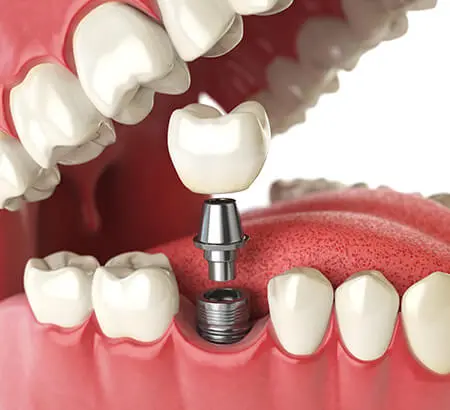
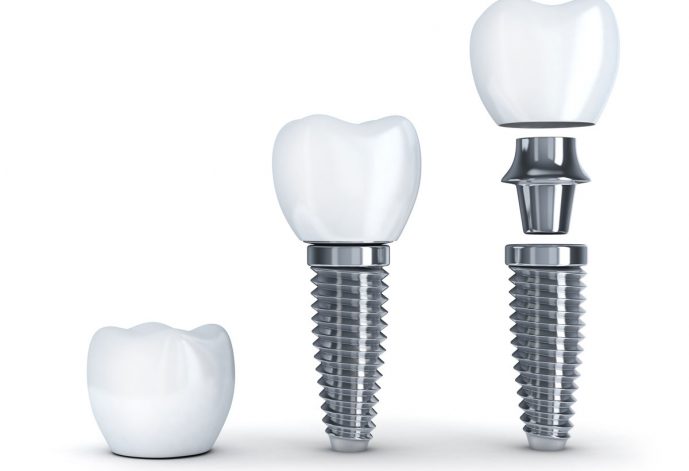
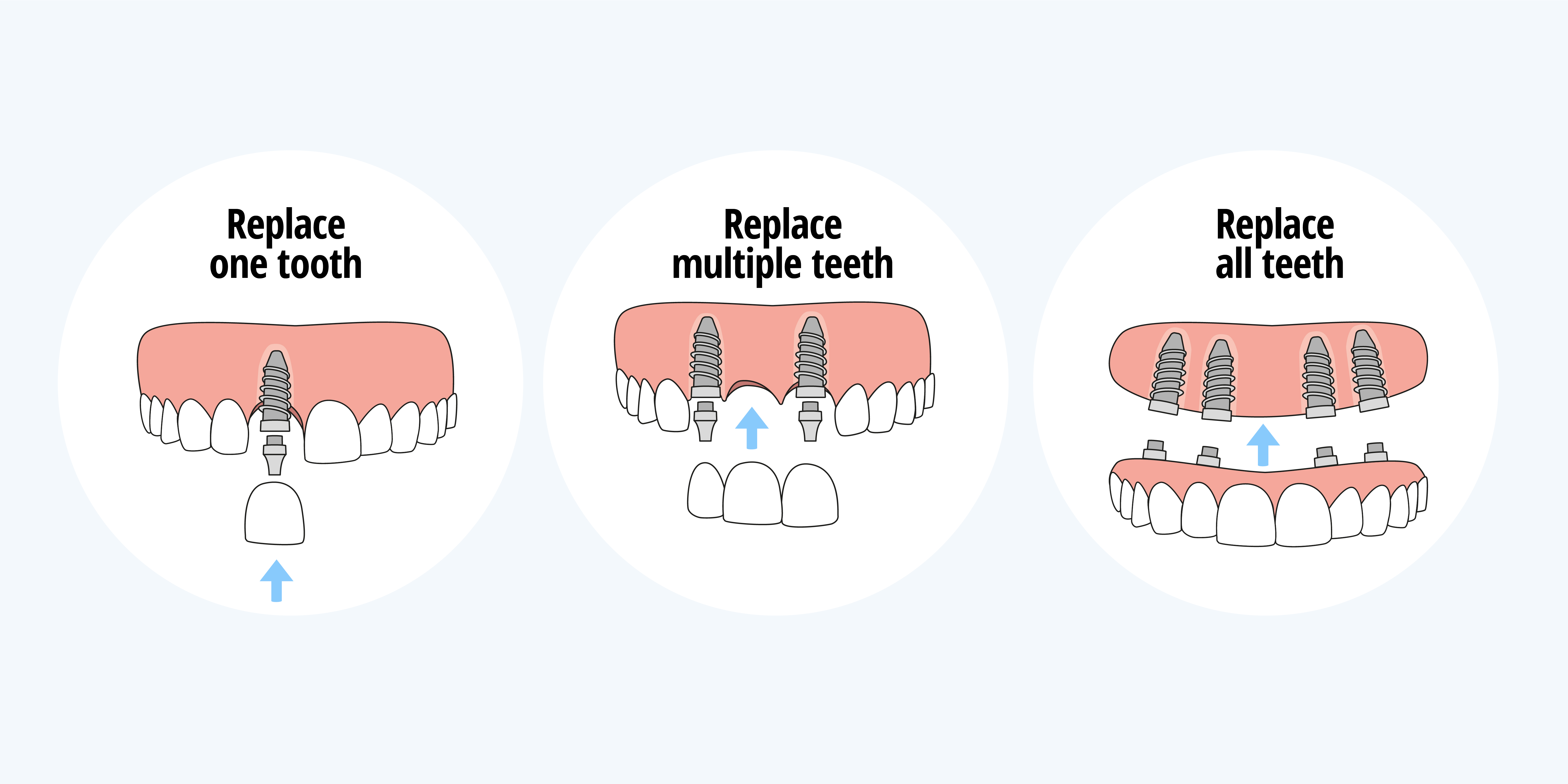
Dental implants are strong, long-lasting titanium posts that are designed to hold replacement teeth. They bond with healthy bone and function just like the roots of your natural teeth. Unlike dentures, bridges, and crowns, dental implants don’t slip or move, and don’t require adhesive, so you can feel confident everyt time you eat, drink, and smile.
2. Am I a good candidate?
For patients with missing teeth, failing teeth, or chronic dental problems such as periodontal disease, dental implants can replace one tooth, several teeth, or all of your upper and/or lower teeth.
Dental implants are a safe, comfortable, durable solution that will help restore your health and quality of life.
3. How is this different from dental bridges?
Patients in Hillsborough often compare dental implants and dental bridges.
While both are effective for replacing missing teeth, dental implants offer several advantages:
Dental Implants: Provide a permanent solution without affecting adjacent teeth. They also help preserve jawbone density.
Dental Bridges: Typically require adjacent teeth to be filed down for support. They do not stimulate the jawbone, which can lead to bone loss over time.

4. What does the treatment involve?
The dental implant procedure at our practice in Hillsborough involves several stages to ensure the best possible outcome:
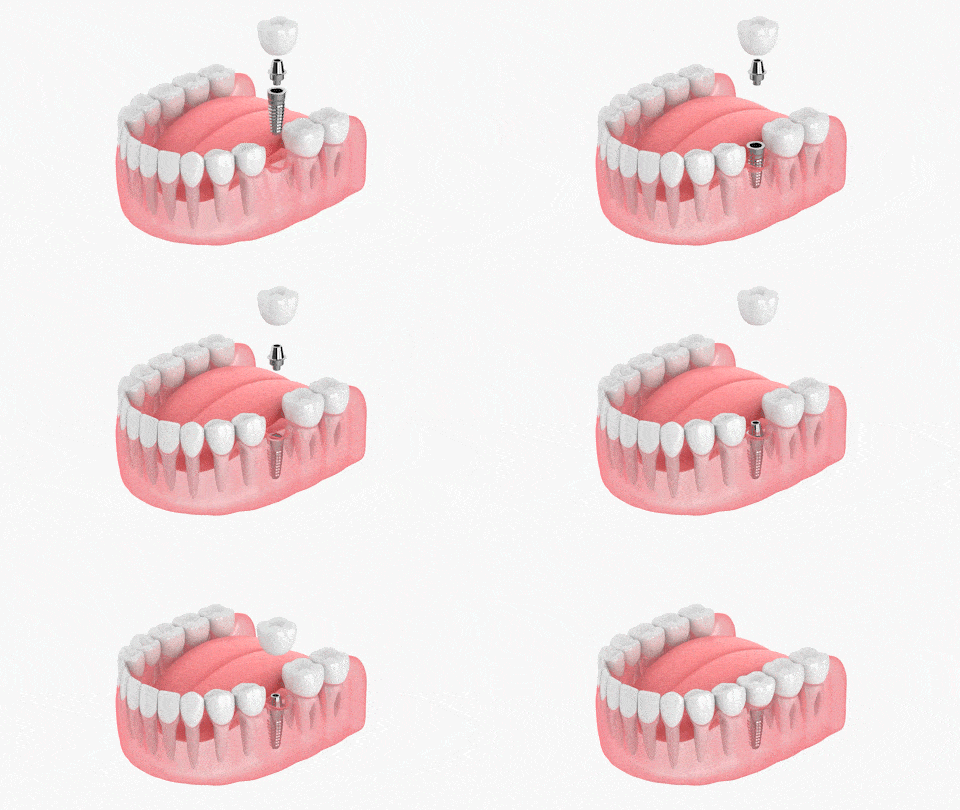
1. Consultation and Planning: During your initial visit, we will evaluate your oral health, take X-rays, and discuss your treatment options. A personalized treatment plan will be created for you.
2. Implant Placement: The dental implant is surgically placed into the jawbone. Over the next few months, the implant will fuse with the bone through a process called osseointegration.
3. Abutment Placement: Once the implant has integrated with the bone, an abutment is attached to the implant. This serves as a connector between the implant and the replacement tooth.
4. Crown Placement: A custom-made crown is attached to the abutment, completing the restoration and providing a natural-looking, functional tooth.
5. Benefits of Implants
Your oral health is directly connected to your overall health, so it’s important to maintain a healthy smile that will last for years to come.
Improve chewing. Enjoy eating again and get the nutrients you need for good health.
Speak confidently. Dental implants are fixed to your mouth, so there’s no need to worry about slipping or shifting when you speak.
Maintain healthy gums. Unlike dentures that sit on top of your gums and can change their shape over time, dental implants stay put and allow your gums to maintain their shape.
Protect against bone loss. When missing teeth aren’t replaced, it can affect the shape and function of your jawbone and change the appearance of your mouth and face.
Enjoy better oral health. The cracks and crevices in dentures can cause the growth of bacteria, which may cause infection and other health problems. Implants function just like natural teeth, so you can continue your regular brushing and flossing routine.
Feel more confident. Dental implants look and feel like your own teeth, so you can worry less about your smile and focus on a better quality of life.
Smile well into the future: One of the most significant advantages of dental implants is their durability and longevity.
Unlike dentures and dental bridges, which may need to be replaced every few years and may need to remove healthy surrounding teeth crown surfaces to work, with proper care dental implants can last a lifetime.
Ultimately, choosing between dental implants and other tooth replacement options depends on your individual needs, preferences, and budget. Consult with your dental provider about the potential benefits and risks, and so you can make the decision that’s right for you.

6. What will it cost?
When it comes to dental implants, one of the most pressing concerns for many people is the cost. Dental implants are an investment in your oral health and overall well-being, and the cost can vary depending on several factors.
On average, the cost can range from $2,500 to $3,500 per implant.
However, this does not include additional procedures such as bone grafting, extractions, or the final crown/prosthesis which can increase the overall cost. It is important to consult with your dental provider to get an accurate estimate based on your specific needs.

7. Insurance Options
Insurance coverage of dental implants often depends on whether your medical, dental, or both types of insurance apply. To determine if your insurance covers dental implants, start by reviewing your plan’s details or contacting your insurance provider directly. They can provide you with information about coverage limits, any necessary pre-authorization, and any associated paperwork.
You may also speak with your dental provider’s office staff about the extent of your surgery and what your insurance will cover.
Some things to keep in mind:
If your dental insurance covers implants, make sure you review your annual spending limit because you could have extra out-of-pocket costs.
Some insurance plans may cover the implant but not the prosthetic teeth attached to it.
Your medical insurance may also cover some parts of the procedure, so ask about that.
If you have lost a tooth or need a replacement because of an injury or accident, some insurance policies will cover dental implants as part of that coverage.
Make sure you talk to your insurance provider if you don’t understand your coverage.
5. Financing Options
If your insurance doesn’t cover dental implants or if you don’t have insurance, don’t fret. There are still options available to help you finance your dental implants. Many dental offices offer payment plans or financing options to make the cost more manageable. You can also explore third-party financing options or dental discount plans.
Third-party financing: Many companies specialize in providing financing for dental procedures, including dental implants. These companies offer flexible repayment plans and competitive interest rates, allowing your to get the treatment you need while staying within your budget.
Dental discount plans: An alternative to traditional insurance that can help reduce the cost of dental implants. These plans offer discounted rates for dental procedures, including implants, and can be a cost-effective option for those without insurance.
9. How long will my implants last?
With proper care, your implants can last a lifetime. The implant itself can last many years and is designed for long-term durability. We’ll teach you how to care for them so you can enjoy your new smile for decades.
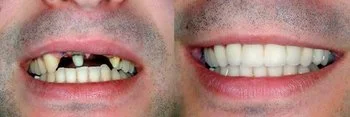
Before and After

Dr. Eric Davis, DDS, PLLC
Dr. Eric Davis, DDS, PLLC is a North Carolina-based dentist with over 20 years of experience dedicated to providing high-quality, compassionate dental care in a safe and professional environment.
A graduate of Meharry Medical College School of Dentistry with honors, Dr. Davis is recognized for his leadership, commitment to patient care, and excellence in implant dentistry.
He achieved Mastership status with the American Dental Implantology Association and continues to stay at the forefront of advanced dental treatment and technology.
Dr. Davis proudly serves patients across Durham and Hillsborough, NC, with a mission to help every patient achieve a healthy, confident smile.